

Last updated: 27 March 2026
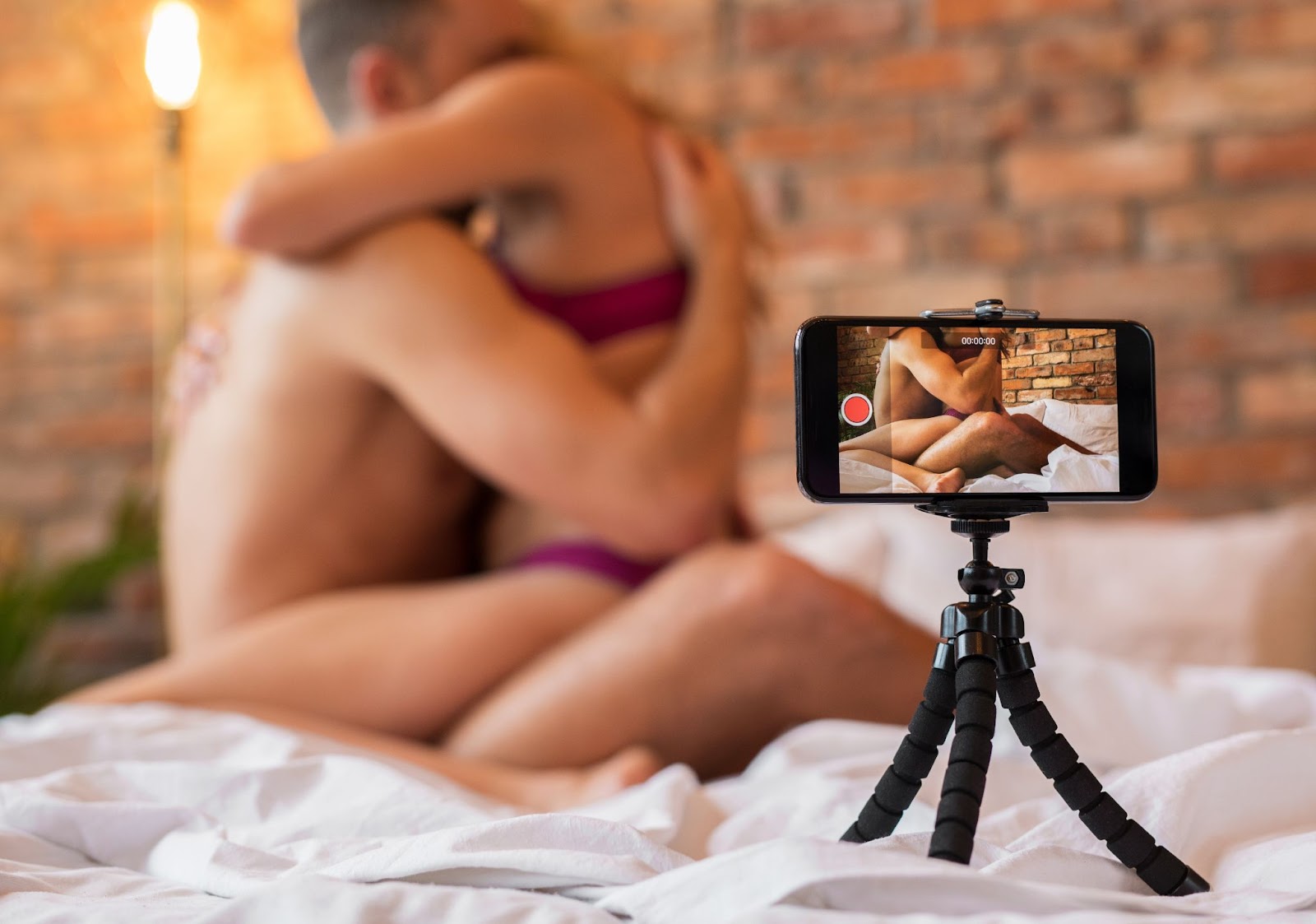
If you are asking whether filming pornography is legal in Australia, the short answer is that it can be lawful in some circumstances, but it is not a simple legal issue. In Australia, adult sexual content sits within a broader legal framework that can involve classification law, online content regulation, age requirements, consent, intimate image offences, and state-based criminal laws. The Australian classification system recognises X 18+ films as a category restricted to adults, while Refused Classification material cannot be legally sold, hired, advertised, or imported.
That means filming pornography is not answered by a single yes or no rule. Even where the participants are adults and appear to consent, legal risk can still arise depending on what is recorded, how it is distributed, whether access is restricted, whether all participants genuinely consented to the recording and publication, and whether any Commonwealth or state offences are engaged.
Is Filming Pornography Legal in Australia?
In broad terms, filming pornography involving consenting adults is not automatically illegal in Australia. That is clear from the fact that the national classification framework recognises X 18+ films, which may contain sexually explicit activity between consenting adults and are legally restricted to adults.
However, that does not mean every act of filming pornography is lawful. The legal position depends on a number of overlapping issues, including:
- whether everyone involved is an adult
- whether consent was real, informed, and ongoing
- whether the material could be Refused Classification
- whether the content was recorded or shared without consent
- whether the material includes prohibited content
- whether publication or online access creates further legal exposure.
So the more accurate legal answer is this: filming pornography can be lawful in some circumstances, but it can also become unlawful very quickly depending on the facts.
Why the Legal Position Is More Complex Than It Looks
One of the biggest mistakes people make is assuming that legality turns only on whether the participants are adults and whether they agreed to the sexual activity. That is too narrow. In Australia, the law can distinguish between:
- content that may exist within an adult-only classification framework
- content that is prohibited altogether
- content that may be lawful to possess in one context but unlawful to publish, advertise, upload, or distribute in another.
So when discussing filming pornography, it is important to separate the issues clearly. A person may not commit an offence simply by creating adult content with another consenting adult, but that does not mean the recording, storage, publication, upload, or later distribution is free from legal risk.
Issues around consent also overlap with other areas of law, including sexual harassment laws, where power imbalances or coercion can affect whether agreement is legally valid.
Classification Matters
Australia has a national classification system for films and certain other media. That system recognises several ratings, including R 18+ and X 18+. X 18+ applies to films containing sexually explicit activity between consenting adults and is restricted to adults. By contrast, material that is Refused Classification cannot be legally sold, hired, advertised, or imported in Australia.
This matters because filming pornography does not exist outside the classification regime. The nature of the content itself can change the legal analysis. Some material may fall within the adult-only framework, while other material may fall outside it entirely and create much more serious legal consequences.
Uploading Pornography Online Carries Separate Risks
Even if the underlying recording does not immediately amount to a criminal offence, uploading or making explicit material available online can raise separate issues. The Online Safety Act 2021 (Cth) establishes an online content scheme involving Class 1 and Class 2 material, restricted access systems, and enforcement powers administered by the eSafety Commissioner.
In practical terms, this means filming pornography is only one part of the legal picture. Uploading adult material online may create additional questions about whether the content is prohibited, whether access restrictions are required, and whether a platform, host, or service could be required to take the content down.
So even where the recording itself may appear lawful, online publication can still create legal exposure.
This is especially important in cases involving intimate recordings, which can overlap with offences such as voyeurism or image-based abuse.
Consent Is Not Just About the Sexual Activity
Consent is central, but it has to be analysed properly. In this context, consent does not only mean consent to the sexual activity itself. It can also include:
- consent to being recorded
- consent to the particular acts being filmed
- consent to the content being stored
- consent to the content being distributed or uploaded.
This distinction is important because filming pornography can move into criminal territory even where sexual activity began consensually. In NSW, intimate image offences were introduced into the Crimes Act 1900 (NSW) through the Crimes Amendment (Intimate Images) Act 2017, covering conduct such as intentionally recording or distributing intimate images without consent.
So a person may agree to sexual activity but not agree to being filmed. They may agree to being filmed privately, but not to the recording being uploaded or shared. Those differences matter legally.
Everyone Involved Must Be an Adult
Another key point is age. For any discussion about filming pornography, the practical rule is that everyone involved must be an adult. Content involving minors, or material that sexualises children, is not treated as ordinary adult content regulation. It is treated as serious criminal offending. This is one of the most important legal boundaries in this area.
That is why any article on filming pornography should make this point very clearly. Adult consensual content and child abuse material are not remotely in the same category. Once children are involved, the issue becomes severe criminal offending with major consequences.
Child Abuse Material Is Strictly Prohibited
Any material involving minors, or material that depicts, describes, or sexualises children, is strictly prohibited and treated far more seriously than adult pornography. The law in this area is not about adult content regulation or content classification in the ordinary sense. It is about serious criminal offences.
So when discussing filming pornography, there should be no ambiguity on this point. Content involving anyone under 18 creates serious criminal risk and should not be discussed as though it were simply another compliance issue.
Non-consensual Recording and Distribution Can Be Criminal
This is one of the most important risk areas. In NSW, intimate image laws capture conduct involving intentional recording or distribution of intimate images without consent, as well as threats in some circumstances. The Crimes Amendment (Intimate Images) Act 2017 introduced offences linked to sections 91P, 91Q and 91R of the Crimes Act 1900 (NSW).
That means filming pornography can create serious criminal exposure where:
- a person is recorded without agreeing
- a person is pressured into agreeing
- the recording is later shared without permission
- threats are made to record or distribute intimate material
- consent is withdrawn, but recording or distribution continues.
This is why consent should never be discussed only in a broad or casual sense. It has to cover recording and distribution as well.
NSW Publication Risks Still Matter
Even where federal laws apply, state-based offences can still be relevant.
Publishing or distributing explicit material may raise legal issues depending on:
- how the material is shared
- whether it is considered indecent
- the surrounding circumstances
This is similar to how other conduct, such as being topless in public, may be lawful in some contexts but unlawful in others, depending on how it occurs.
Practical Situations Where Legal Problems Can Arise
A person may assume filming pornography is lawful because everyone involved is over 18. That is not enough if one participant did not really consent to the filming or later distribution.
A creator may think uploading explicit content is acceptable because the performers agreed. That is still incomplete if the material is not handled in a way that complies with online safety obligations or platform restrictions.
A person may believe a private recording cannot create legal trouble. That can also be wrong if the recording later becomes the basis of intimate image allegations, threats, coercion, blackmail, or publication-related offences.
These are the kinds of situations where filming pornography can move from being treated as adult content into an issue involving serious criminal exposure.
What Should the Correct Legal Summary Be?
The safest and most accurate summary is not that filming pornography is simply legal if it involves consenting adults. That statement is too broad.
A better summary is this:
Filming pornography in Australia may be lawful in some circumstances where it involves consenting adults, but legal risk can still arise from classification rules, online distribution laws, age restrictions, non-consensual recording or sharing, and state-based criminal offences.
That is a more defensible explanation and a much better reflection of how this area of law actually works.
What To Do If You Are Being Investigated
If police or a regulator are investigating you in relation to filming pornography, the details matter. The legal position can turn on:
- the age of everyone depicted
- whether genuine consent can be proved
- whether the consent extended to filming and publication
- how the material was stored, shared, or uploaded
- whether the content may be prohibited
- whether intimate image or publication offences are alleged.
Because this area often involves overlapping legal issues, early legal advice is important. What may begin as a question about adult content can quickly expand into multiple criminal or regulatory issues depending on the evidence.
Final Answer
Filming pornography in Australia is not automatically illegal, but it is not legally straightforward. Some adult explicit content exists within Australia’s classification framework, including X 18+ material restricted to adults. However, that does not remove the need to comply with online safety rules, age requirements, genuine consent, intimate image laws, and any relevant state-based offences concerning recording, publishing, or distributing the material.
So the safest answer is this: filming pornography can be lawful in some circumstances, but it becomes high risk very quickly where there is any issue with consent, age, prohibited material, or online distribution. Anyone facing investigation or charges should obtain legal advice based on the specific facts of the matter.
FAQ
Is filming pornography legal in Australia?
It can be lawful in some circumstances involving consenting adults, but the legal position is not simple and can also involve classification, online safety, consent, and criminal law issues.
Is filming pornography illegal if everyone agrees?
Not necessarily, but consent alone does not remove all legal risk. Age, classification, distribution, and intimate image laws may still matter.
Can you film pornography and upload it online?
Uploading adult content can create separate legal issues under Australia’s online content framework, especially where access restrictions or prohibited content rules are relevant.
Is it illegal to record sexual activity without consent?
Yes, it can be. In NSW, intimate image offences can apply where a person intentionally records or distributes intimate images without consent.
Does age matter when filming pornography?
Yes. Any content involving minors is treated as serious criminal offending and is not part of ordinary adult content regulation.
Need Advice About A Pornography Related Allegation?
If you are being investigated or charged in relation to filming pornography, image-based offences, or publishing explicit material, obtaining legal advice early is important. KPT Legal can assess the allegations, explain your options, and help you understand the best next step.
Disclaimer: The above content is for general informational purposes only and should not be regarded as legal advice. The information provided may change over time. You should always seek professional advice before taking any action.