

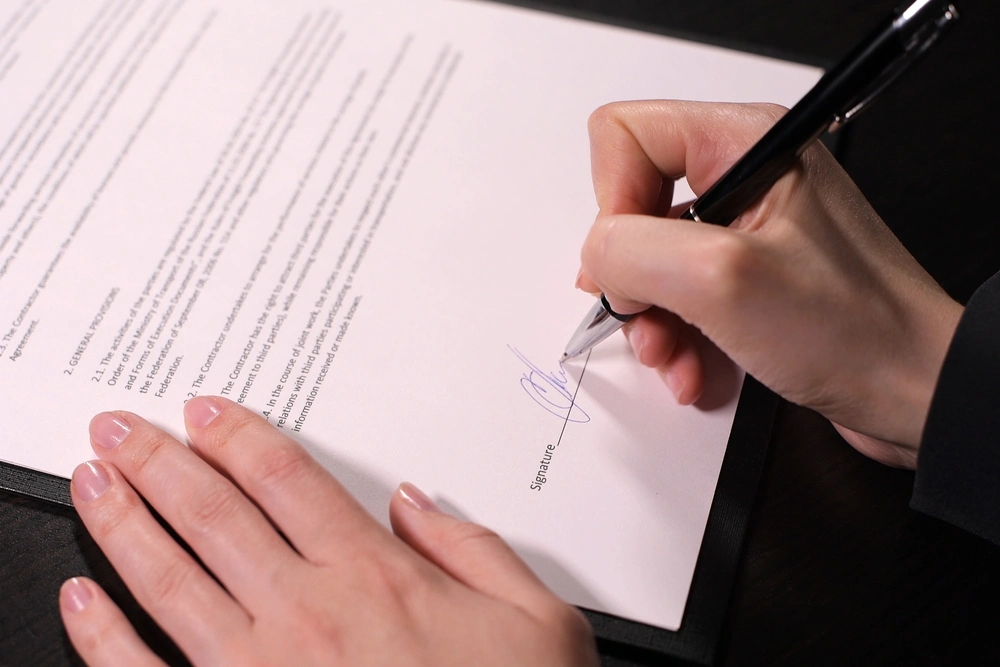
Forgery is a serious criminal offence in New South Wales. It is commonly associated with fake signatures, fake passports or forged identity documents, but the law is much broader than that.
In NSW, forgery may involve making, altering or using a false document with the intention that another person will accept it as genuine. This can arise in many everyday situations, including loan applications, visa documents, employment records, company transactions, insurance claims, tax records and private disputes.
A forgery allegation should never be treated as a minor paperwork issue. If police believe a false document was created or used dishonestly, the consequences may include a criminal record, reputational damage, employment consequences, immigration issues and, in serious cases, imprisonment.
This article explains how forgery works in NSW, what counts as a false document, the penalties, common examples, possible defences and what to do if police contact you.
Quick Answer: What Is Forgery in NSW?
Forgery in NSW generally means making a false document with the intention that it will be used to make someone accept it as genuine.
A forgery charge may involve:
- Creating a fake document;
- Altering a genuine document;
- Forging a signature;
- Editing a bank statement, payslip or invoice;
- Creating fake employment or visa documents;
- Using a false document to obtain money, property or a financial advantage;
- Using a false document to influence a public official or government process.
The prosecution does not always need to prove that the false document successfully caused a loss. The focus is often on the intention behind making or using the document.
NSW Forgery Law: Section 253 Crimes Act 1900
Forgery is an offence under section 253 of the Crimes Act 1900 (NSW).
In practical terms, the offence applies where a person makes a false document intending that they, or another person, will use it:
- To induce someone to accept it as genuine; and
- Because it is accepted as genuine, to obtain property, obtain a financial advantage, cause a financial disadvantage, or influence the exercise of a public duty.
This means forgery is not limited to documents used for money. It may also apply where the document is intended to influence a government agency, employer, bank, insurer, court, public authority or other decision-maker.
Using a False Document in NSW
Forgery often overlaps with the separate offence of using a false document under section 254 of the Crimes Act 1900 (NSW).
This may apply where a person uses a false document, knowing it is false, with the intention that someone will accept it as genuine.
Examples may include:
- Submitting a fake payslip to a bank;
- Providing a false employment letter for a visa application;
- Giving an altered invoice to an insurer;
- Sending a forged contract in a business dispute;
- Uploading false financial records to an online portal;
- Presenting a fake medical certificate to an employer.
In many cases, police may investigate both the creation of the document and the later use of that document.
What Counts as a “Document”?
A document does not need to be a paper document. In modern forgery cases, documents are often digital.
A document may include:
- Contracts;
- Invoices;
- Bank statements;
- Payslips;
- Tax invoices;
- Financial statements;
- Company records;
- Identification documents;
- Employment letters;
- Medical certificates;
- Insurance reports;
- Migration documents;
- Screenshots;
- Scanned documents;
- PDF files;
- Digital forms;
- Electronic signatures;
- Online records or data.
This means changing figures in a PDF, editing a screenshot, creating a fake bank statement or altering a digital invoice can potentially lead to a forgery or false document allegation.
What Makes a Document “False”?
A document may be false if it gives a misleading impression about its authenticity, origin, authorisation, date, content or legal effect.
A document may be treated as false if it appears:
- To have been made by someone who did not make it;
- To have been authorised by someone who did not authorise it;
- To have been made on a different date;
- To have been altered after being created;
- To contain information that changes its legal or practical effect;
- To be an official or genuine document when it is not.
Not every incorrect document is a forged document. The difference often depends on intention, knowledge and context.
Common Examples of Forgery in NSW
Forgery charges can arise in many different circumstances. Some common examples include the following.
1. Bank, Loan and Mortgage Applications
False document allegations often arise in financial matters.
Examples include:
- Fake payslips;
- Edited bank statements;
- False income records;
- Altered tax documents;
- Fake asset documents;
- False business revenue records;
- Misleading loan application documents.
These cases may also involve broader fraud allegations, particularly where the document was used to obtain a loan, credit card, mortgage, business finance or other financial benefit.
2. Visa, Immigration and Citizenship Documents
Forgery can be especially serious where false documents are used in migration or visa matters.
Examples include:
- Fake employment letters;
- Forged payslips;
- False relationship evidence;
- Altered identity documents;
- Fake education documents;
- Fabricated business records;
- False sponsorship documents.
For non-citizens, a forgery conviction may create serious visa and immigration consequences. Depending on the sentence and circumstances, it may affect visa applications, visa cancellation, character assessments or deportation risk.
3. Business and Company Records
Forgery may also arise in commercial and company settings.
Examples include:
- Forged signatures on contracts;
- Fake invoices;
- Altered purchase orders;
- False shareholder or director documents;
- Fabricated transaction records;
- Manipulated accounting records;
- False company resolutions;
- Backdated agreements.
Where false documents are used to move, disguise or justify funds, police may also consider related offences such as fraud or money laundering.
4. Insurance Claims
Forgery allegations may arise where documents are created or altered to support an insurance claim.
Examples include:
- Fake medical certificates;
- Altered accident reports;
- False repair invoices;
- Fabricated receipts;
- Misleading expert reports;
- False proof of ownership documents.
Insurance-related forgery matters can overlap with fraud charges if the alleged purpose was to obtain a payout or financial advantage.
5. Employment, Education and Professional Records
Forgery may also occur in employment, education or licensing contexts.
Examples include:
- Fake resumes;
- False qualifications;
- Altered certificates;
- Fabricated reference letters;
- False work history documents;
- Misleading professional registration documents;
- Fake medical certificates for leave or workplace claims.
Even if no money has yet been obtained, the prosecution may argue that the document was intended to obtain employment, a professional benefit or another advantage.
Forgery vs Fraud: What Is the Difference?
Forgery and fraud are related but different.
Forgery focuses on the false document itself. The question is whether a document was made, altered or used as if it were genuine.
Fraud focuses on deception used to obtain property, money, a financial advantage or another benefit.
For example:
- Making a fake payslip may be forgery.
- Using that fake payslip to obtain a bank loan may also involve fraud.
- Providing a false invoice to an insurer may involve both using a false document and dishonestly obtaining a financial advantage.
In practice, forgery and fraud charges may be laid together, depending on the evidence.
Penalties for Forgery in NSW
Forgery is a serious offence in New South Wales. The maximum penalty for forgery under section 253 of the Crimes Act 1900 (NSW) is 10 years imprisonment.
Using a false document can also carry a maximum penalty of 10 years imprisonment.
The actual penalty will depend on the seriousness of the case. Courts may consider factors such as:
- The value of the property or financial advantage involved;
- Whether the conduct was planned;
- Whether the conduct was repeated;
- Whether multiple documents were involved;
- Whether the conduct affected a bank, government agency or public institution;
- Whether identity documents were involved;
- Whether the accused acted alone or with others;
- Whether there was a breach of trust;
- Whether the accused has prior convictions;
- Whether the accused pleaded guilty;
- Whether restitution was made.
Not every forgery case results in imprisonment. However, because the maximum penalty is serious, early legal advice is important.
Will a Forgery Charge Go to the Local Court or District Court?
The court process depends on the seriousness of the allegation, the exact charge and how the prosecution elects to proceed.
A forgery matter may begin in the Local Court. Less serious matters may be finalised there. More serious matters may proceed to the District Court.
The process may involve:
- Police investigation;
- Police interview or request for a statement;
- Court Attendance Notice;
- Bail decision or bail application;
- First mention in the Local Court;
- Service of the brief of evidence;
- Case conference or charge negotiations;
- Plea of guilty or not guilty;
- Hearing, sentence or committal proceedings;
- District Court proceedings for more serious cases.
The earlier a lawyer is involved, the more opportunity there may be to review the evidence, negotiate with the prosecution or prepare a defence.
Possible Defences to Forgery Charges
Every forgery case depends on the facts. Possible defence issues may include the following.
1. No Intention to Deceive
Forgery requires more than an error or poor paperwork. The prosecution must prove the relevant intention.
If the accused did not intend the document to be accepted as genuine for an unlawful purpose, the charge may be challenged.
For example, a document may have been edited as a draft, template, internal record or administrative note without any intention to deceive another person.
2. The Accused Did Not Know the Document Was False
For using a false document, knowledge is often a key issue.
A person may use a document without knowing it is false. For example, they may have relied on a document provided by:
- An employer;
- A broker;
- An accountant;
- A migration agent;
- A business partner;
- A family member;
- A third-party service provider.
If the accused did not know the document was false and did not act dishonestly, the prosecution case may be open to challenge.
3. The Document Was Not Actually False
There may be a dispute about whether the document was false in the legal sense.
Relevant questions may include:
- Who created the document?
- Was the document authorised?
- Was the information inaccurate or merely incomplete?
- Was the document altered?
- Did the alteration change the meaning or legal effect?
- Was the document a draft rather than a final version?
A mistake, ambiguity or incomplete record is not always forgery.
4. Mistake or Administrative Error
Many document issues arise from ordinary mistakes rather than criminal conduct.
Examples include:
- Data entry errors;
- Incorrect dates;
- Formatting issues;
- Miscommunication;
- Draft versions;
- Poor record keeping;
- Accidental omissions;
- Using the wrong attachment.
The difference between an innocent mistake and criminal forgery often depends on intention and the surrounding circumstances.
5. Insufficient Evidence
Forgery cases often rely on digital and documentary evidence.
The defence may examine whether the prosecution can prove:
- Who created the document;
- Who altered the document;
- Who uploaded or submitted it;
- Whether the accused knew it was false;
- Whether the accused intended to deceive;
- Whether the document was used for the alleged purpose;
- Whether the digital evidence is reliable;
- Whether the evidence was lawfully obtained;
- Whether the chain of custody is intact.
If the prosecution cannot prove the charge beyond reasonable doubt, the accused must be found not guilty.
6. Mental Health Issues
In some cases, mental health may be relevant to criminal responsibility, intention, fitness, sentencing or diversionary outcomes.
This is highly fact-specific and should be assessed carefully with legal and medical evidence.
Long-Term Consequences of a Forgery Conviction
A forgery conviction can have consequences beyond the court penalty.
Possible long-term consequences include:
- A criminal record;
- Imprisonment;
- Fines;
- Loss of employment;
- Difficulty finding future work;
- Professional disciplinary action;
- Loss of licence or registration;
- Visa refusal or cancellation risk;
- Deportation risk for non-citizens;
- Damage to business reputation;
- Difficulty obtaining finance;
- Travel restrictions in some circumstances.
Forgery can be especially serious for people working in finance, accounting, law, migration, health, education, government, business ownership or regulated professions.
What Should You Do If Police Contact You About Forgery?
If police contact you about a forgery or false document allegation, do not rush into giving an explanation.
You should not:
- Attend a police interview without legal advice;
- Delete emails, files or messages;
- Alter or “fix” documents after learning of an investigation;
- Contact witnesses inappropriately;
- Ask another person to change their account;
- Assume the matter is minor because no money was obtained;
- Provide an explanation before understanding the evidence.
You should:
- Contact a criminal defence lawyer as early as possible;
- Preserve relevant documents, emails and messages;
- Avoid discussing the allegation with other parties;
- Understand your right to silence;
- Get legal advice before participating in a police interview;
- Provide your lawyer with all relevant documents for review.
Early legal advice can make a major difference, especially where the issue is intention, knowledge, mistake, document authenticity or digital evidence.
FAQs About Forgery in NSW
Is forgery a crime in NSW?
Yes. Forgery is a criminal offence in NSW under section 253 of the Crimes Act 1900 (NSW). It can carry a maximum penalty of 10 years imprisonment.
What is the difference between forgery and using a false document?
Forgery generally involves making a false document. Using a false document involves using a document while knowing it is false and intending that another person accept it as genuine. Both can carry serious penalties.
Can editing a PDF be forgery?
Yes, it can be. If a person edits a PDF to make it appear genuine and intends to use it dishonestly, it may lead to a forgery or false document charge.
Can fake bank statements lead to criminal charges?
Yes. Creating, editing or using fake bank statements may lead to forgery, using false document or fraud charges, especially if used for a loan, rental application, visa matter or financial advantage.
Can I be charged if I did not know the document was fake?
Knowledge and intention are important issues. If you genuinely did not know the document was false, that may be a defence issue. You should obtain legal advice before speaking to police.
Does forgery always involve money?
No. Forgery may involve obtaining property or financial advantage, but it may also involve causing financial disadvantage or influencing the exercise of a public duty.
Can forgery affect my visa?
Yes. A forgery conviction can have serious immigration consequences for non-citizens, depending on the sentence, visa status and personal circumstances.
Should I speak to police about a forgery allegation?
You should get legal advice before participating in a police interview. A rushed explanation may damage your case, especially if you do not know what evidence police already have.
Conclusion: Forgery Is Not Just a Paperwork Problem
Forgery is not simply a paperwork mistake. In banking, business, migration, employment and government processes, documents carry legal and financial trust. If a person is accused of making or using a false document with an intention to deceive, the consequences can be serious.
In NSW, forgery and using false documents can carry maximum penalties of up to 10 years imprisonment. A conviction may also affect employment, professional registration, business reputation, immigration status and future opportunities.
If you or a family member is facing a forgery investigation or false document charge, do not try to deal with the matter alone.
KPT Legal can help you understand the allegation, assess the evidence, identify possible defence options and develop a clear legal strategy.
Contact KPT Legal today for confidential criminal law advice.